


What Your Basement Walls Are Trying To Tell You
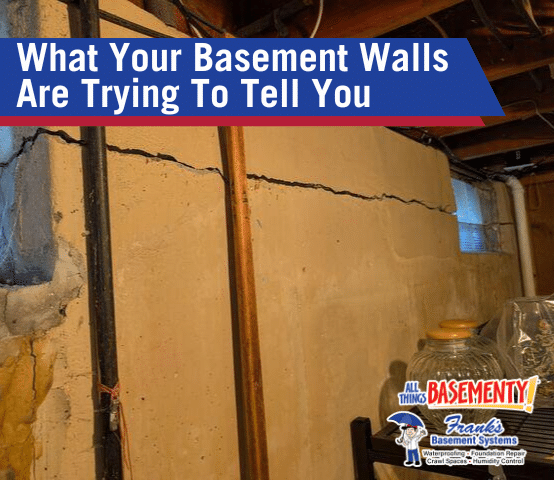
It can be unsettling to find a crack in your basement wall! You start to question if it's a normal sign of your home aging or if your basement is trying to tell you that there's a more serious foundation problem.
Not every wall crack is the same. Some are red flags being raised by your home, trying to warn you about something bigger. The good news is that the shape, size, and direction of the crack will tell a lot about what's actually happening. Check what the most common types of wall cracks you could find in a basement are, what causes them, and which ones you need to call us at Frank’s Basement Systems for help!
Vertical Crack
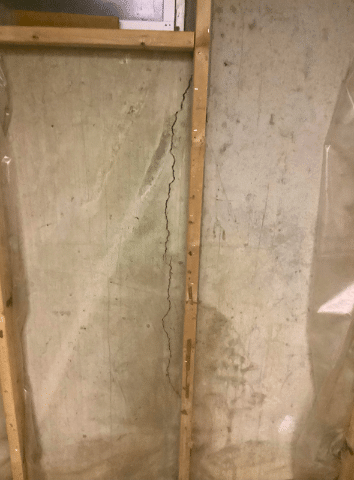
This type of crack will run up and down your wall. It may be slightly angled but still looks more vertical than horizontal.
What does this type of crack mean?
These types of cracks usually occur due to minor foundation settlement or as concrete dries and cures. Vertical cracks are quite common in newer homes as, over time, the house settles into the soil.
What should I do about this crack?
Vertical cracks are more of a cosmetic issue than a structural concern. But it's important to keep an eye on them, since they can grow into a prime spot for water to seep through. So note when they show up and watch for any changes. If you see this crack growing, it's best to call us up here at Frank's Basement Systems to come out for a free estimate!
Horizontal Cracks
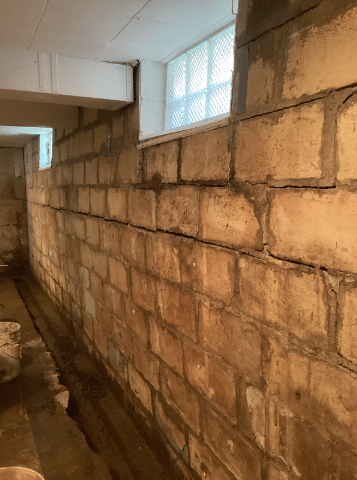
This type of crack will run horizontally across the wall parallel to the floor. They usually appear toward the middle of your basement wall.
What does this type of crack mean?
These cracks are something you should not ignore. They are a warning sign that something bigger is happening in your basement. They are typically caused by hydrostatic pressure from soil outside the home swelling and pushing against the home's foundation. This pressure starts to cause the wall to bow or buckle.
What should I do about this crack?
Horizontal cracks are treated as a structural issue. If you find one on your wall, it's important to have our Design Specialist here at Frank's Basement Systems come out. We assess how much the wall is bowing and work with structural engineers to prevent a potential collapse.
Diagonal & Stair-Step Cracks
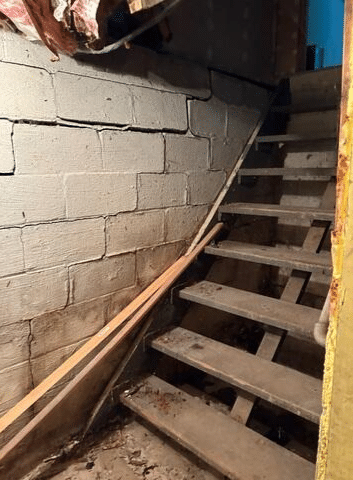
These types of cracks run at an angle. In a block basement wall, you will see the mortar joints cracking in a stair-step-like pattern.
What does this type of crack mean?
A diagonal and stair-stepping crack indicates that the home's foundation is settling unevenly. So one part of the foundation is settling faster than another. This uneven settling causes the crack to form at a wall corner and then spread outward and slowly widen at the other end.
What should I do about this crack?
When you find a horizontal or a stair-stepping crack, it's a sign that should never be ignored. It's a way of your house trying to show you that a foundation issue is brewing. So before it ever becomes too late, it's key to have Frank's Basement Systems come out and assess it. Our team will work with a third-party engineer to determine the underlying cause and the necessary repairs to stabilize the foundation.
When to Take Action
It's important to remember that once you see a crack in your basement wall, it's key to keep monitoring it. Some things to always keep track of when watching a crack in your basement walls are:
- A crack growing to be wider than a quarter inch
- A crack getting longer over time
- If you start to notice other issues along with a wall crack, like doors and windows sticking, floors becoming uneven above, or water seepage.
